


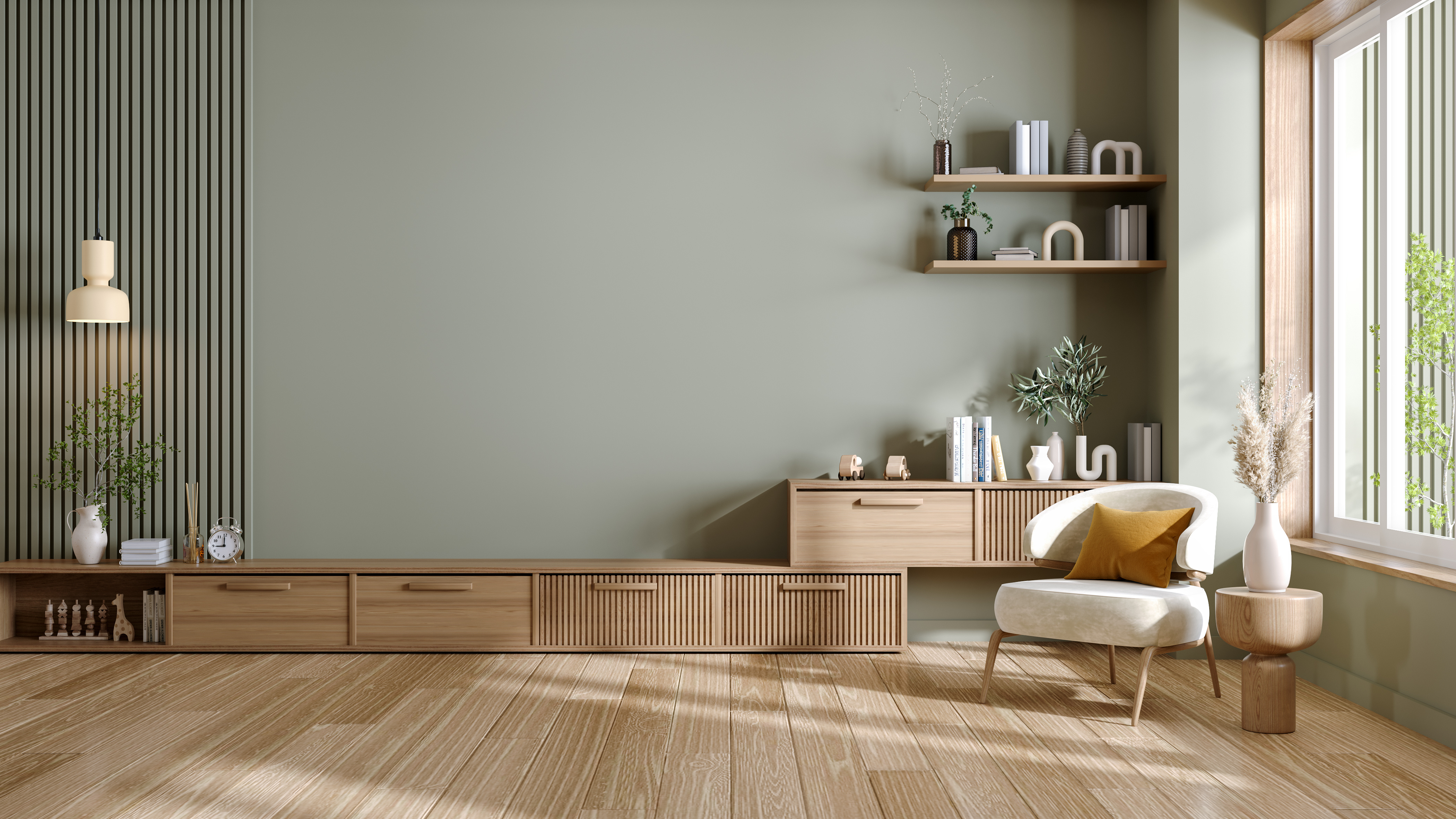
When you update the flooring in your Cleveland home, you do not have to start your interior design from scratch. Your furniture, cabinets, wall colors, lighting, and décor already give the room its character. The challenge is choosing a laminate floor that works naturally with what you already have.
With the right approach, laminate flooring can provide a fresh foundation while allowing your existing furnishings to remain part of the design. You can also explore The Floor King when comparing flooring possibilities for your space.
Begin With the Furniture You Want to Keep
Before you choose a laminate color, look around the room and identify the furniture that will remain after the flooring project.
Your sofa, dining table, bedroom furniture, bookcases, and other larger pieces can have a significant influence on how the new floor looks. If you already have several wood tones in the room, for example, you may want to choose laminate that complements those tones instead of trying to match one piece exactly.
Take note of the dominant colors and materials. This gives you a starting point when you begin comparing flooring samples.
Work With Wood Tones Instead of Matching Everything
One common mistake is assuming every wood tone in a room needs to be identical. That is not always necessary.
Different wood tones can work together when they share a similar warmth or undertone. A warm laminate floor can complement other warm wood furnishings, even when the shades are not exactly the same.
If your existing furniture has cooler gray or neutral undertones, a laminate floor with a similar overall temperature may create a more connected appearance.
Use Your Wall Color as a Guide
Your walls and flooring occupy large areas of the room, so their relationship matters. If your walls are already a strong color, a more understated laminate design can help maintain balance.
For rooms with lighter neutral walls, you may have more flexibility. You can choose a medium or deeper laminate tone to add contrast, or continue with a lighter floor if you prefer an open and airy appearance.
You do not have to match the wall and floor colors. Instead, look for tones that complement one another.
Consider the Size of the Room
The size and layout of your room can influence how you perceive laminate flooring. A lighter floor can contribute to an open appearance, particularly when combined with light walls and plenty of natural light.
A deeper floor can add definition and visual depth. If you already have large pieces of dark furniture, however, consider how much contrast you want between the furniture and the floor.
Rather than choosing a color based solely on a photograph or small sample, look at the flooring in relation to the entire room.
Look at Flooring Samples in Your Home
Lighting can change the way a laminate floor appears. Natural sunlight may reveal undertones that are less noticeable under artificial lighting, while evening lighting can create an entirely different impression.
If possible, compare samples at different times of the day. Look at them next to your furniture, walls, cabinets, and trim.
This simple step can help you avoid choosing a floor that looks perfect in one setting but feels out of place once it is installed in your home.
Think About Your Décor Style
Your accessories can also influence the right flooring choice. Rugs, curtains, artwork, cushions, lighting fixtures, and decorative pieces all contribute to the overall style of a room.
If your décor is already detailed, you may want a laminate floor with a quieter visual pattern. If the rest of the room is relatively simple, a more distinctive floor can become part of the design.
The goal is to create balance rather than having every element compete for attention.
Connect Multiple Rooms
If you are installing laminate in several connected rooms, think about how the flooring will look as you move through your home.
Consistent flooring can help connected areas feel unified. This can be particularly useful in open layouts where the kitchen, dining area, and living room are visually connected.
If you are using different flooring materials in adjoining rooms, consider how their colors and undertones work together. A thoughtful transition can make the change feel intentional.
Give Your Existing Décor a Fresh Foundation
A new floor can change the appearance of your room without requiring you to replace everything else. When you coordinate laminate flooring with the pieces you already own, you can create a refreshed interior while keeping the character of your home.
Start with your furniture, consider your wall colors, pay attention to lighting, and look at your décor as a complete picture. Then choose laminate flooring that supports those elements rather than competing with them.
When you are ready to explore laminate flooring options for your Cleveland home, contact The Floor King to discuss your project.


